
Get Gas Line Capping in Issaquah, WA
Gas line capping services for Issaquah property owners involve safely sealing unused or damaged gas lines during renovations, repairs, or safety upgrades with help from trusted local contractors.
Property owners in Issaquah, WA, considering gas line capping often seek reliable solutions to ensure safety and compliance with local regulations. Whether preparing a property for sale, decommissioning outdated appliances, or preventing potential leaks, having access to experienced service providers can make the process straightforward and stress-free. Exploring options from nearby contractors allows property owners to compare approaches and find the right fit for their specific needs, ensuring that the work is handled efficiently and correctly.
If you're planning a project involving gas line modifications or closures, it’s important to work with qualified local contractors familiar with the area’s codes and standards. This helps ensure that the work meets all safety requirements and is completed to your satisfaction. Keep reading to learn more about how local service providers can assist with gas line capping and related services, making it easier to find the right professionals for your property in Issaquah.
- Gas Line Capping - Needed when a property owner in neighborhoods around Issaquah, WA, is decommissioning an unused gas line.
- Gas Line Capping - Required during home renovations or additions that involve rerouting or removing existing gas lines.
- Gas Line Capping - Necessary after a gas line leak is detected, to ensure safety until repairs are completed.
- Gas Line Capping - Used when upgrading appliances and old gas lines are being safely sealed off by local contractors.
- Gas Line Capping - Important for properties undergoing emergency repairs or line replacements in residential areas nearby.
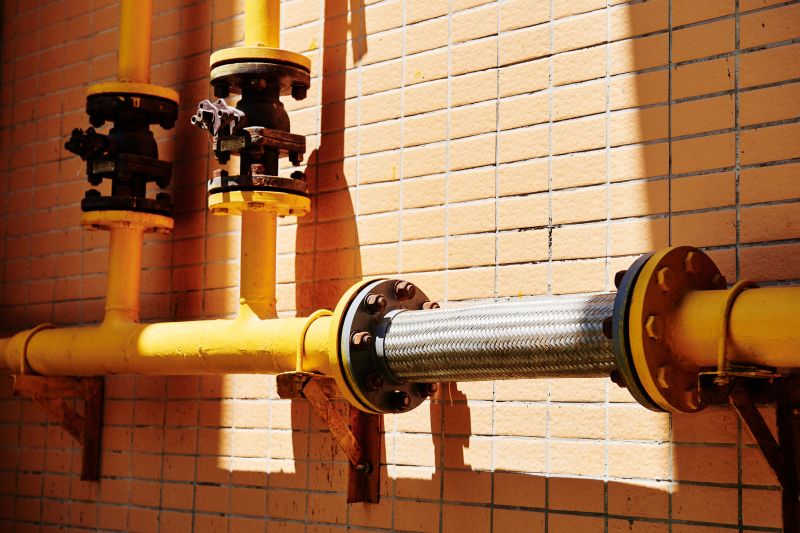
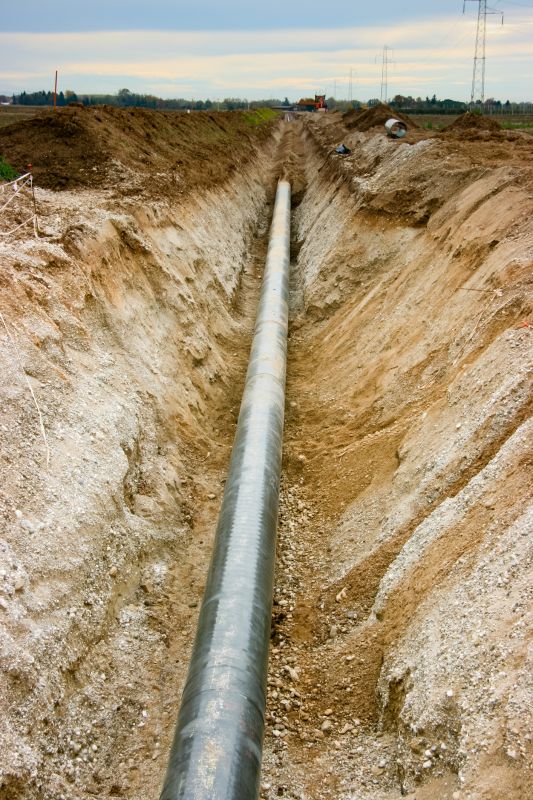
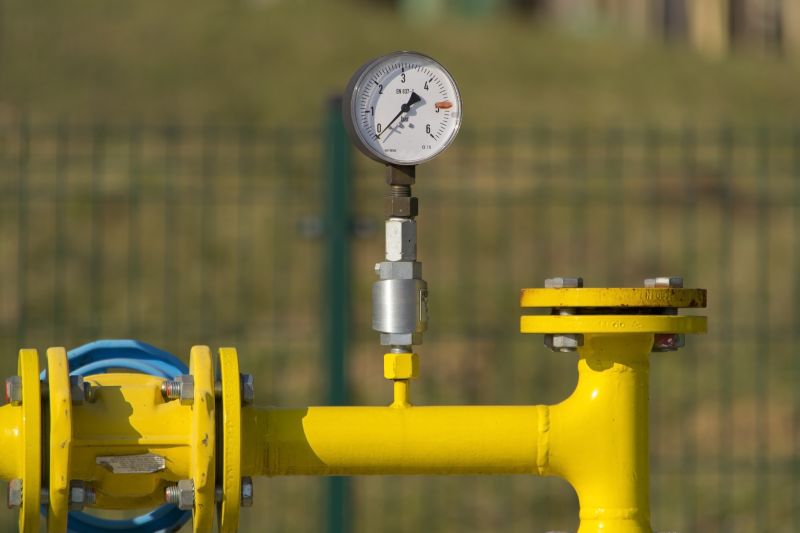
Gas line capping services involve securely sealing off an existing natural gas or propane line when it is no longer in use or needed. This process typically includes disconnecting the line from any appliances or fixtures, inspecting the pipe for safety, and then installing a proper cap to prevent leaks. Proper capping ensures that gas cannot escape from the line, reducing the risk of potential hazards such as leaks or explosions. These services are essential when homeowners are renovating, removing appliances, or preparing a property for sale, providing peace of mind that the gas system is safely shut down.
This service helps address common problems related to unused or abandoned gas lines. Over time, unsealed or improperly capped lines can develop leaks, which pose safety concerns and may lead to costly repairs or legal issues. Gas line capping also prevents accidental gas flow into areas where appliances or fixtures have been removed or are no longer in use. Additionally, capping is often required by local codes and regulations during property renovations or demolitions, ensuring compliance and safety throughout the process.
Properties that typically require gas line capping include residential homes, especially those undergoing remodeling or renovation projects. Homeowners who are removing or replacing gas-powered appliances, such as fireplaces, stoves, or water heaters, may need to have their gas lines capped for safety. Commercial properties, multi-family dwellings, and rental units also often require this service when fixtures are being removed or replaced. In some cases, properties that are being sold or prepared for sale may need to have unused gas lines capped to meet safety standards and local regulations.
When considering gas line capping, it’s important to work with experienced local contractors who understand the specific requirements of properties in Issaquah, WA, and nearby areas. Professionals can evaluate the existing gas system, identify any potential issues, and perform the capping process safely and effectively. Properly capped gas lines help prevent leaks, reduce safety risks, and ensure compliance with local codes. Contacting qualified service providers is a practical step for homeowners and property managers needing to secure unused gas lines and maintain a safe environment.
The overview below groups typical Gas Line Capping projects into broad ranges so you can see how smaller, mid-sized, and larger jobs often compare in Issaquah, WA.
In many markets, a large share of routine jobs stays in the lower and middle ranges, while only a smaller percentage of projects moves into the highest bands when the work is more complex or site conditions are harder than average.
Smaller Repairs - For routine gas line capping jobs, local contractors typically charge between $250 and $600. Many common repairs fall within this range, especially for straightforward, accessible jobs. Larger or more complex projects can occasionally exceed this, but they are less common.
Partial or Temporary Capping - Costs for partial or temporary gas line capping services usually range from $600 to $1,200. This range covers most standard projects where only a section of the line needs to be sealed or temporarily shut off. More involved jobs may push costs higher, depending on access and materials needed.
Full Line Capping or Replacement - Complete capping or replacement of a gas line can typically cost between $1,200 and $3,500. Many full projects fall into this range, especially when the work involves longer runs or older infrastructure. Larger, more complex jobs can go beyond this range, depending on scope.
Complex or Custom Projects - For highly specialized or extensive gas line work, costs can reach $5,000 or more. These projects are less common but may include extensive rerouting or dealing with difficult access issues. Local service providers can evaluate specific needs to provide accurate estimates.
Actual totals will depend on details like access to the work area, the scope of the project, and the materials selected, so use these as general starting points rather than exact figures.
Gas Line Installation - Local contractors skilled in installing new gas lines often have experience with capping existing lines to ensure safety and proper function.
Utility Service Disconnects - Professionals who disconnect or reroute utility services are familiar with safely capping and sealing gas lines during renovations or upgrades.
Underground Utility Excavation - Excavation experts working on underground utilities are adept at safely exposing, capping, and protecting gas lines during site work.
Plumbing and Gas Piping Repairs - Service providers specializing in plumbing often handle gas line repairs and capping as part of their scope for maintaining system integrity.
Home Renovation and Remodeling - Contractors involved in remodeling projects frequently need to cap gas lines when removing or relocating appliances and fixtures.
Leak Detection and Repair - Technicians identifying and fixing gas leaks are experienced with safely sealing and capping lines to prevent hazards.
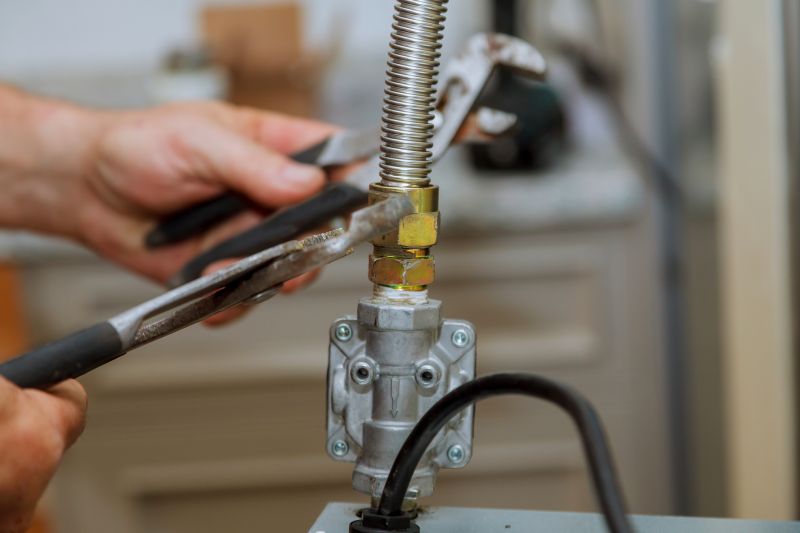
When comparing service providers for gas line capping projects, it’s important to consider their experience with similar types of work. Homeowners should look for local contractors who have a history of successfully completing projects comparable to theirs, ensuring familiarity with the specific requirements and challenges involved. This experience can provide confidence that the contractor understands the necessary steps to safely and effectively cap a gas line, reducing the likelihood of issues during or after the job.
Clear, written expectations are essential when evaluating potential service providers. Homeowners should seek detailed explanations of the scope of work, materials to be used, and any relevant procedures. Having this information in writing helps prevent misunderstandings and ensures everyone is aligned on what the project entails. A reputable local contractor will be transparent about their process and willing to provide documentation that outlines what will be done, establishing a foundation for trust and clarity.
Reputation and communication are key factors to consider when choosing a gas line capping specialist. Homeowners can look for local providers with reputable references or reviews that attest to their professionalism and quality of work. Good communication throughout the process-such as prompt responses to questions and clear updates-can make the experience smoother and more predictable. It’s important to remember that the site serves as a resource to connect homeowners with qualified local contractors, not to perform the work itself, so taking the time to research and compare options can lead to a more successful project outcome.
Property owners in Issaquah, WA use Gas Line Capping services for practical projects around their homes and businesses. This guide focuses on everyday jobs and straightforward project options.
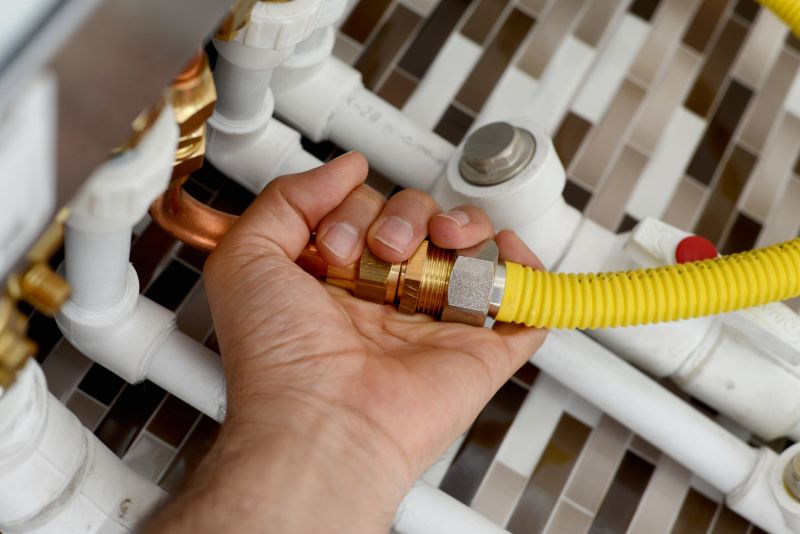
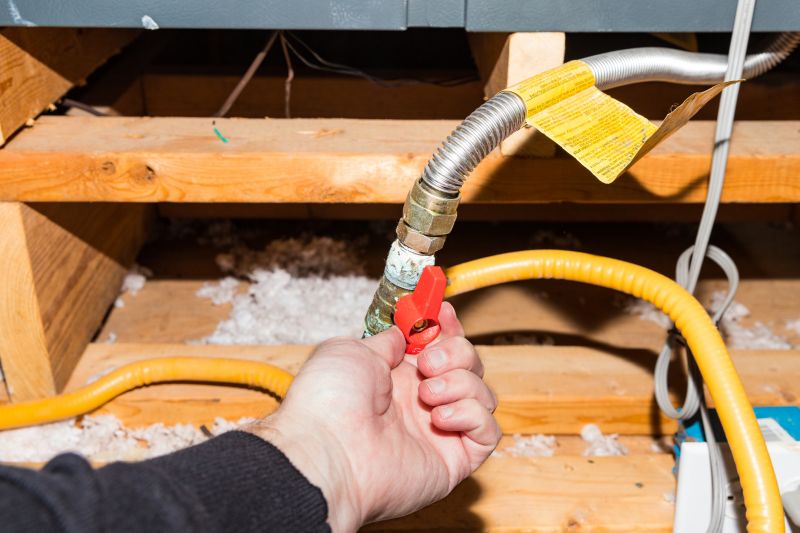
Gas line capping services are often needed when property owners in Issaquah, WA, are planning to remove or decommission an unused gas appliance or fixture. For example, if a homeowner is replacing an outdated fireplace or appliance that is no longer in use, a professional can safely seal off the gas line to prevent leaks or accidents. Additionally, property owners may seek gas line capping when preparing a property for sale or renovation, ensuring that unused gas connections are properly closed to meet safety standards.
In other situations, local contractors can assist with gas line capping during emergency repairs or routine maintenance. If a gas line develops a leak or shows signs of corrosion, a qualified service provider can quickly and securely seal the line to prevent hazards. Property owners also look for these services when upgrading their home’s infrastructure or making changes to outdoor gas features like grills or fire pits, ensuring all connections are safely capped and compliant with local codes.
What is gas line capping? Gas line capping involves sealing off an unused or abandoned gas line to prevent leaks and ensure safety.
Why might I need a gas line cap? A gas line cap is needed when a gas line is no longer in use, such as after home renovations or appliance removals, to prevent gas leaks.
How do local contractors handle gas line capping? Local service providers typically assess the line, ensure proper sealing, and follow safety protocols to securely cap the gas line.
Is gas line capping safe for my property? When performed by experienced contractors, gas line capping is a safe method to eliminate potential gas leaks from unused lines.
Can a gas line cap be removed later if needed? Yes, professional contractors can remove or reconfigure caps if the gas line needs to be reactivated or connected to new appliances.
Gas Line Capping for Renovations - Property owners planning to remodel or remove existing appliances can have local contractors safely cap gas lines to prevent leaks during construction.
Sealing Unused Gas Lines - Homeowners with outdated or unused gas connections can have service providers cap these lines to enhance safety and reduce potential hazards.
Preparing for Property Sale - Sellers can utilize gas line capping to ensure gas connections are secure and compliant before listing a property on the market.
Emergency Gas Line Closure - In cases of suspected leaks or damage, property owners can rely on local contractors to quickly and securely cap gas lines to prevent accidents.
If you are thinking about Gas Line Capping for a property in Issaquah, WA, this guide is meant to help you understand the work, the typical project types, and how different options might fit your plans.
When you are ready, you can use the quote form on this page to share a few details about your project. From there, local pros can review the basics and respond with options that match what you have in mind.